
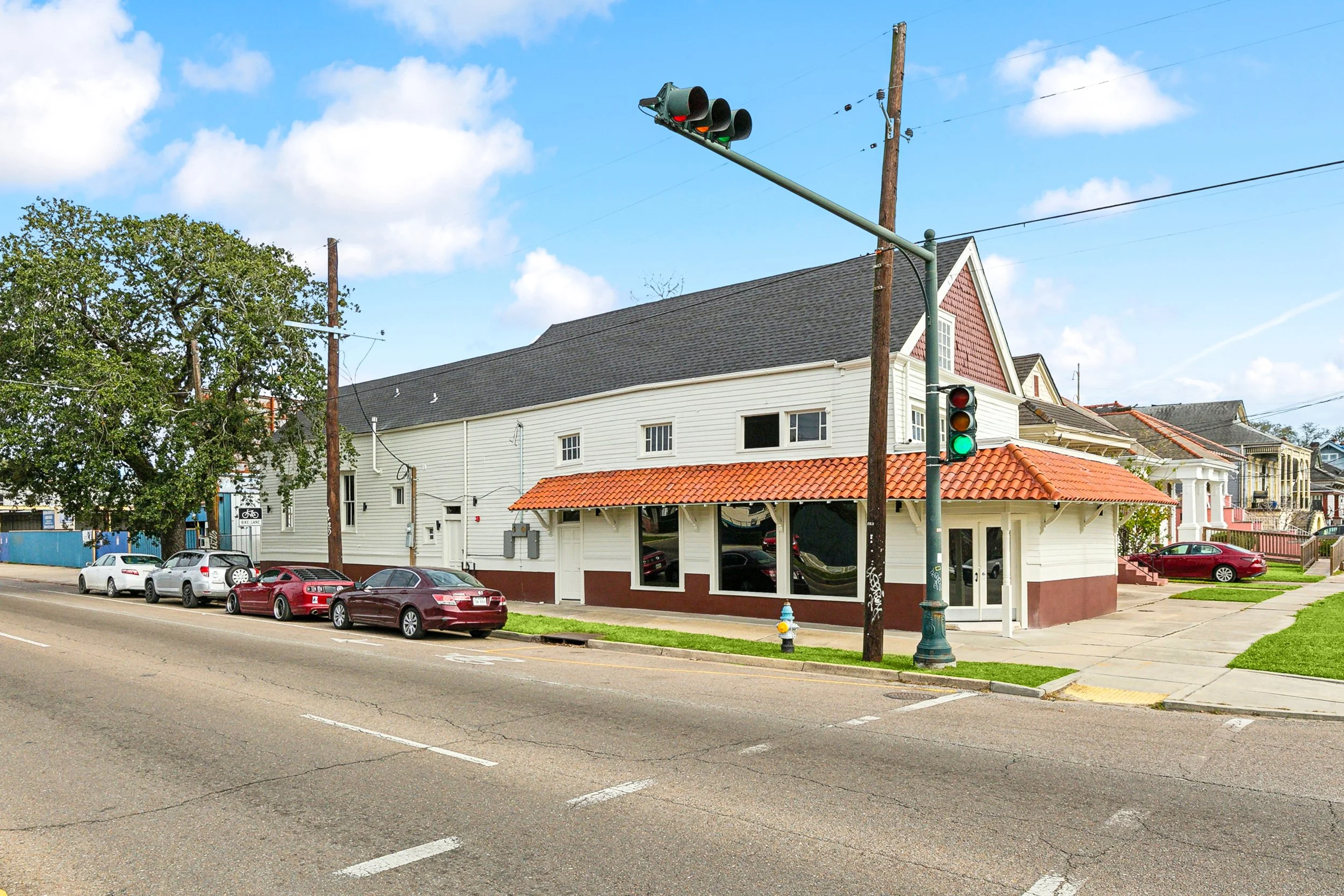
One of the most frequent topics we discuss with our historic rehabilitation clients is the matter of what qualifies and what doesn’t qualify for a historic tax credit. This article is going to address some Louisiana-specific credits, but the list of Qualified Rehabilitation Expenditures (QREs) can come in handy in other states as well.
Federal Historic Rehabilitation Tax Credits
Key Rules to Qualify for Federal Rehabilitation Tax Credits
Substantial Rehabilitation Test: Your QREs must exceed the greater of the building’s adjusted basis or $5,000 over a 24-month (or 60-month phased) measuring period and must be completed according to the Secretary of the Interior's Standards for Rehabilitation.
The fundamental formula to calculate a building's adjusted basis is:
Adjusted Basis = (Purchase Price - Land Value) + Capital Improvements - Accumulated Depreciation
Income-Producing Requirement: The building must be used for a trade or business (e.g., commercial, rental residential, office); purely owner-occupied private residences do not qualify for the federal or LA state historic credits.
Payout Schedule: The 20% credit is claimed ratably (evenly) over 5 years (4% per year) starting the year the building is placed in service.
LA State Historic Rehabilitation Tax Credits
Key Rules to Qualify for State Rehabilitation Tax Credits
Minimum Rehabilitation Expenditure Requirement (LA State): Your QREs must exceed $10,000 over a 24-month (or 60-month phased) measuring period and must be completed according to the Secretary of the Interior's Standards for Rehabilitation.
Income-Producing Requirement: The building must be used for a trade or business (e.g., commercial, rental residential, office); purely owner-occupied private residences do not qualify.
Payout Schedule: The 25% state credit (35% credit for USDA-designated rural areas) can be claimed at once, over time (up to five years), or even transferred to another party.

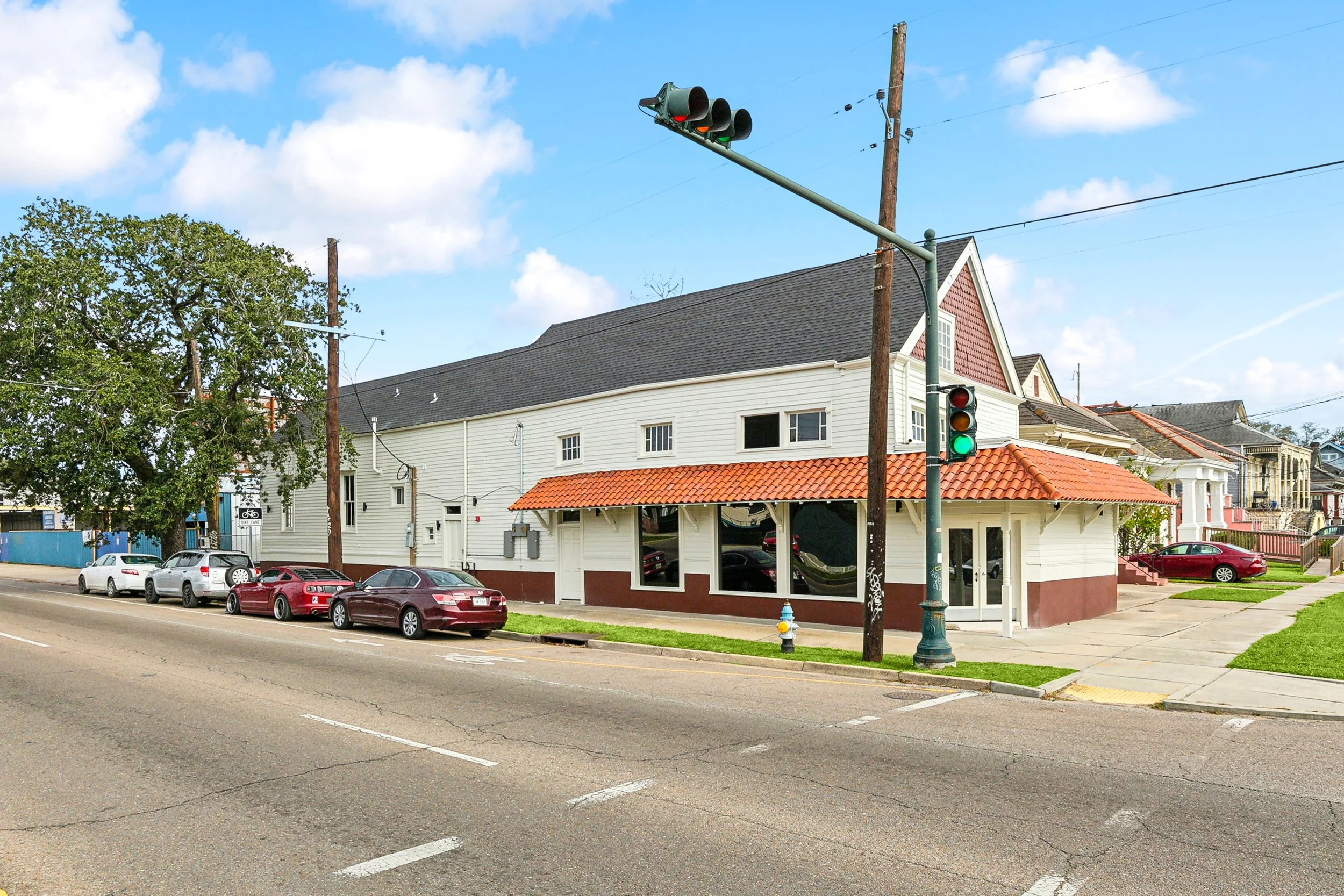
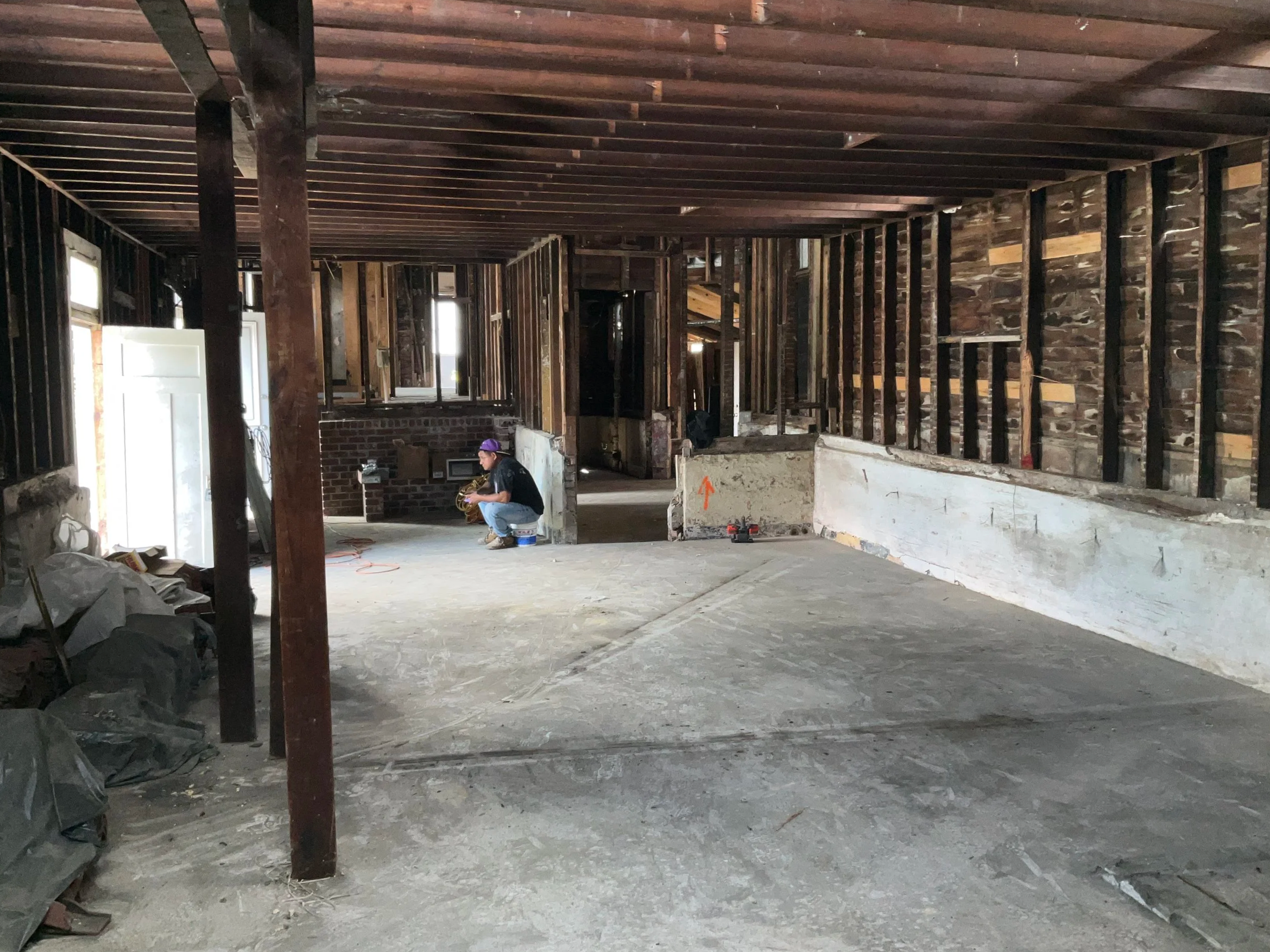
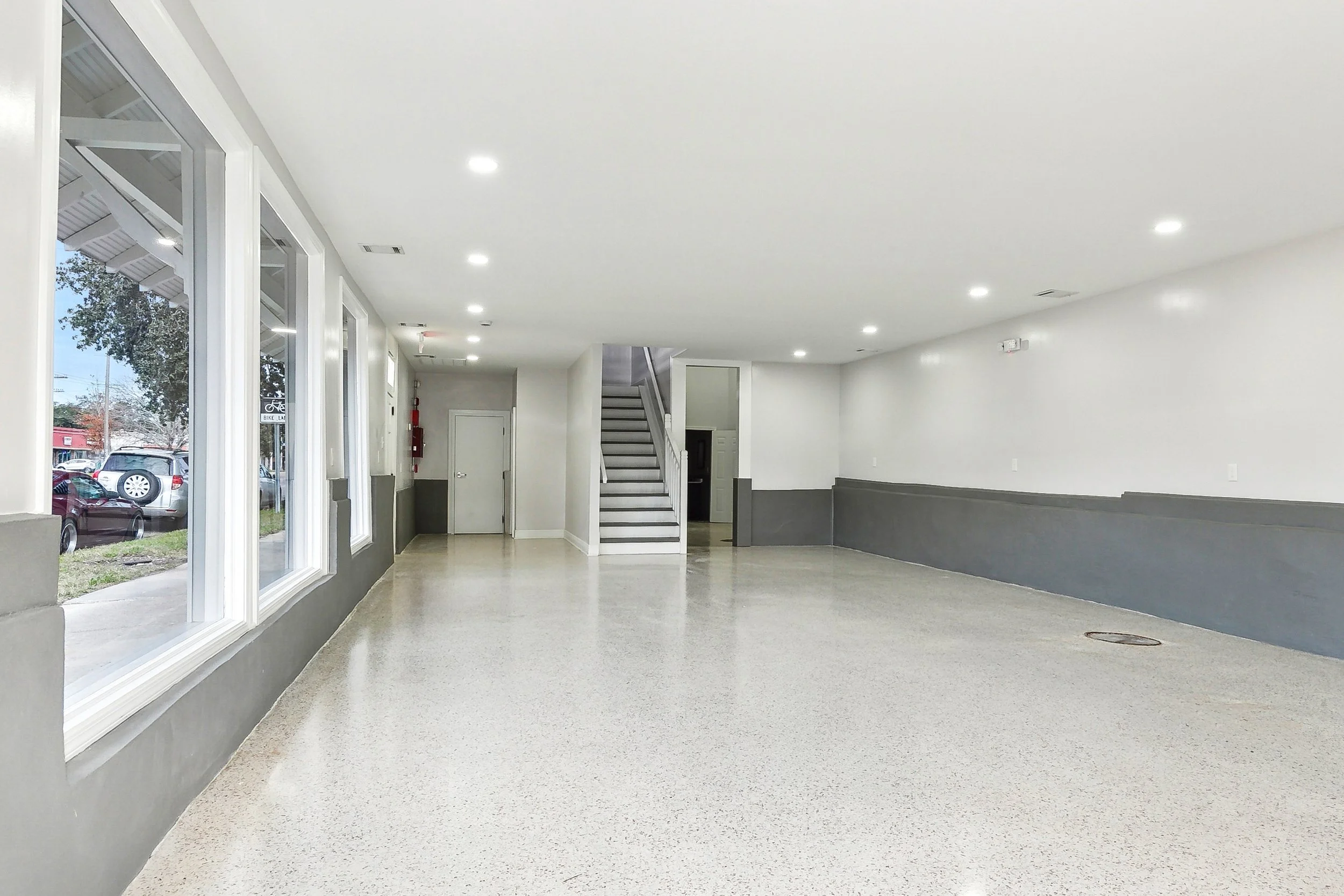
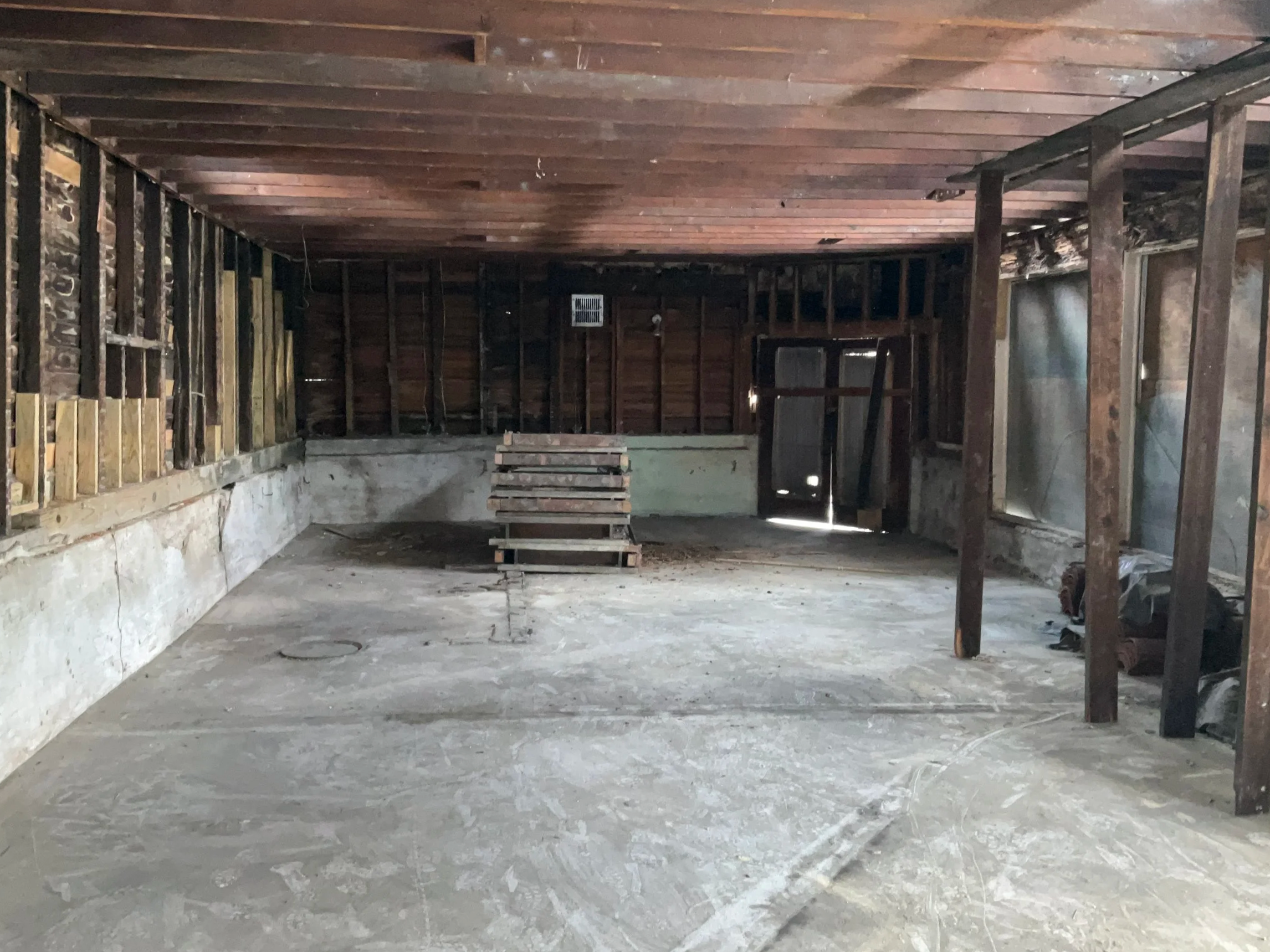
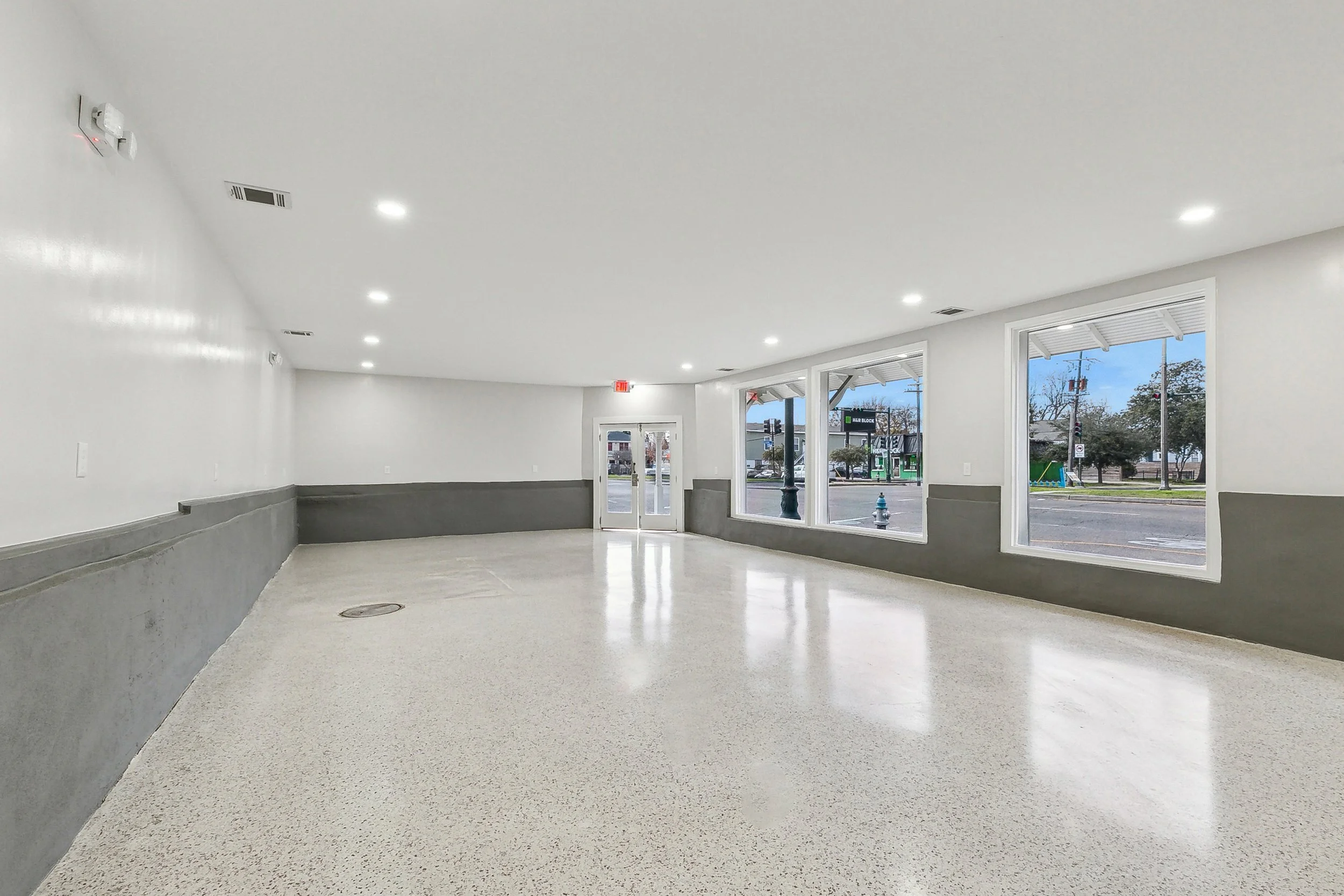
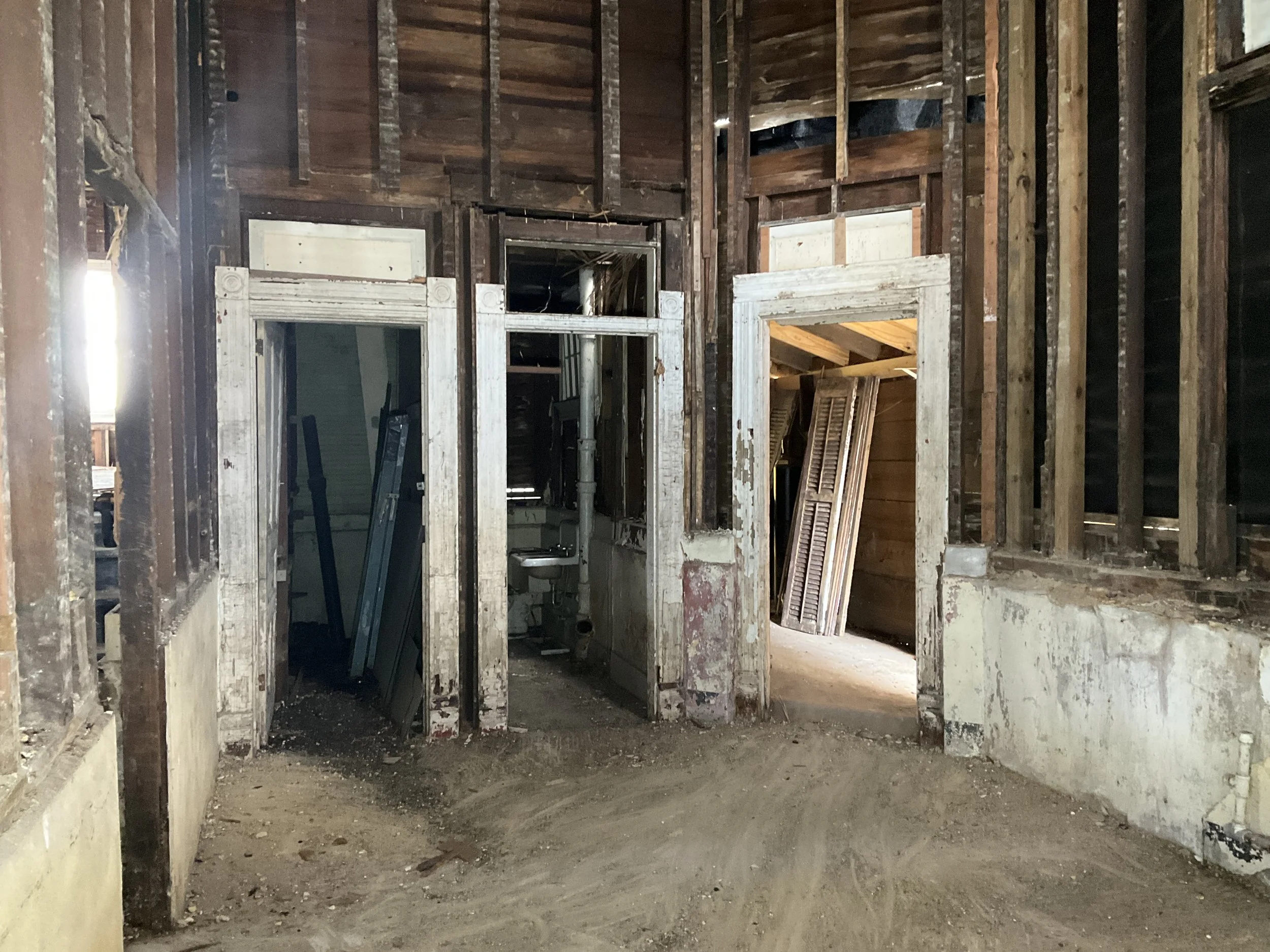
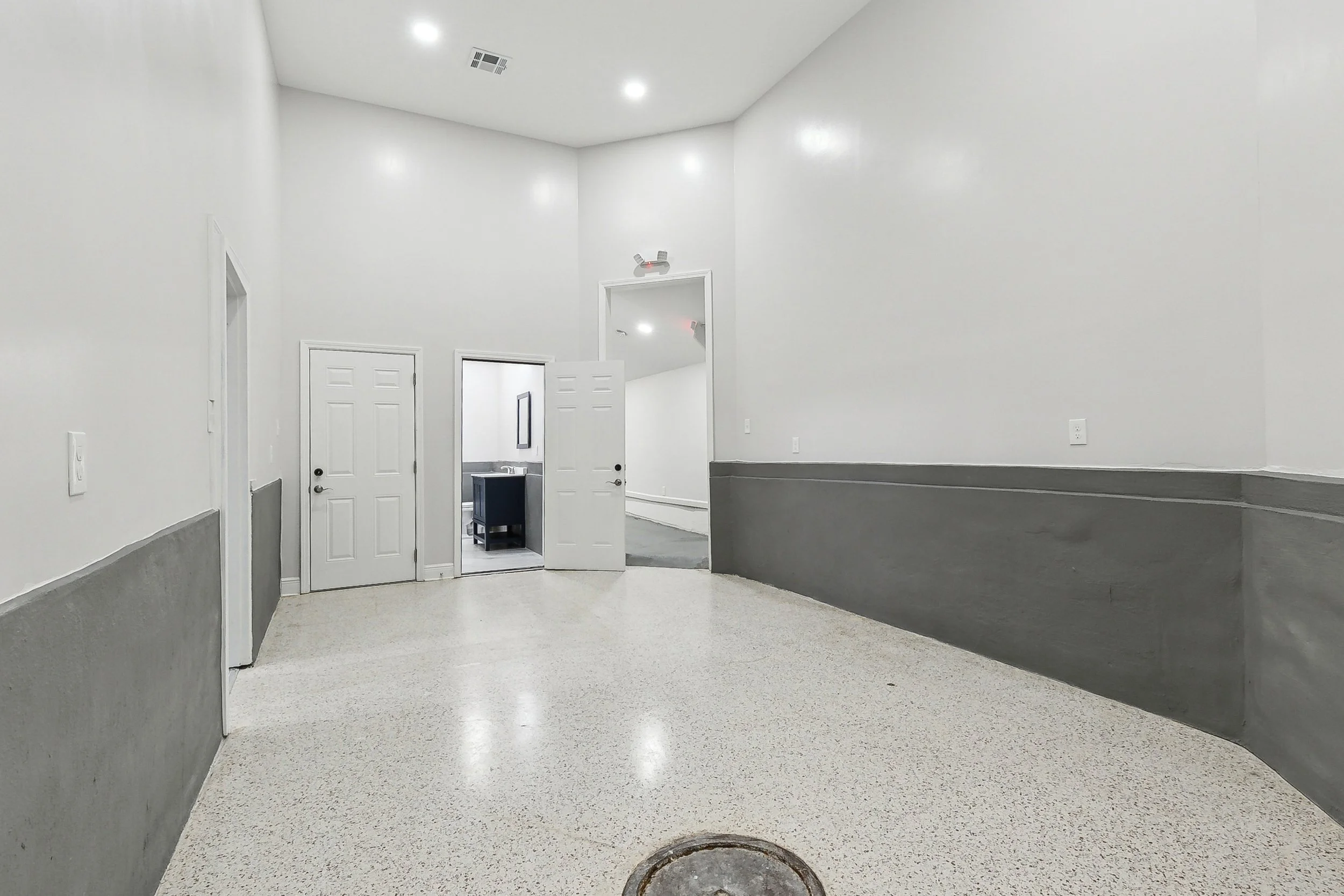
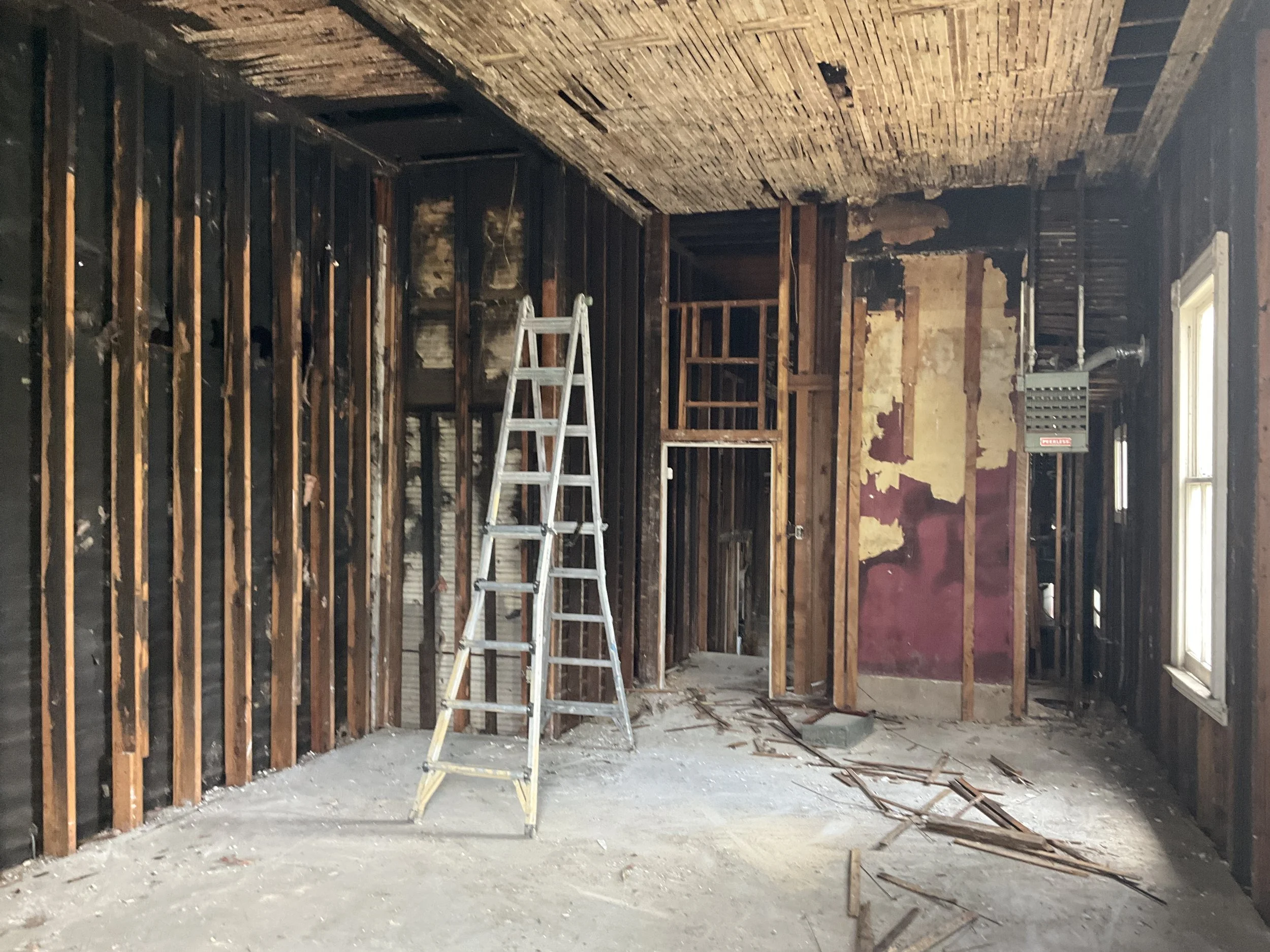
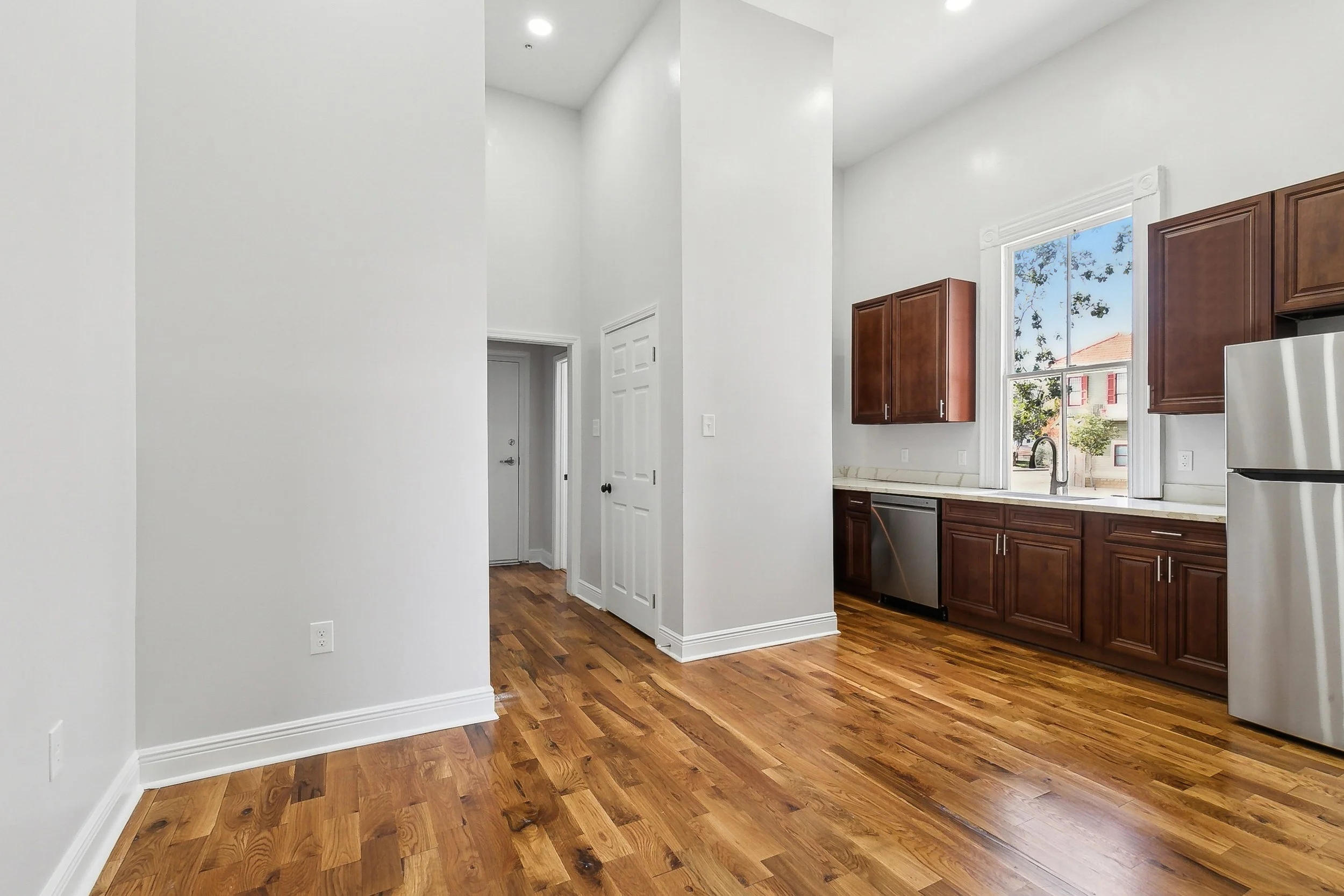
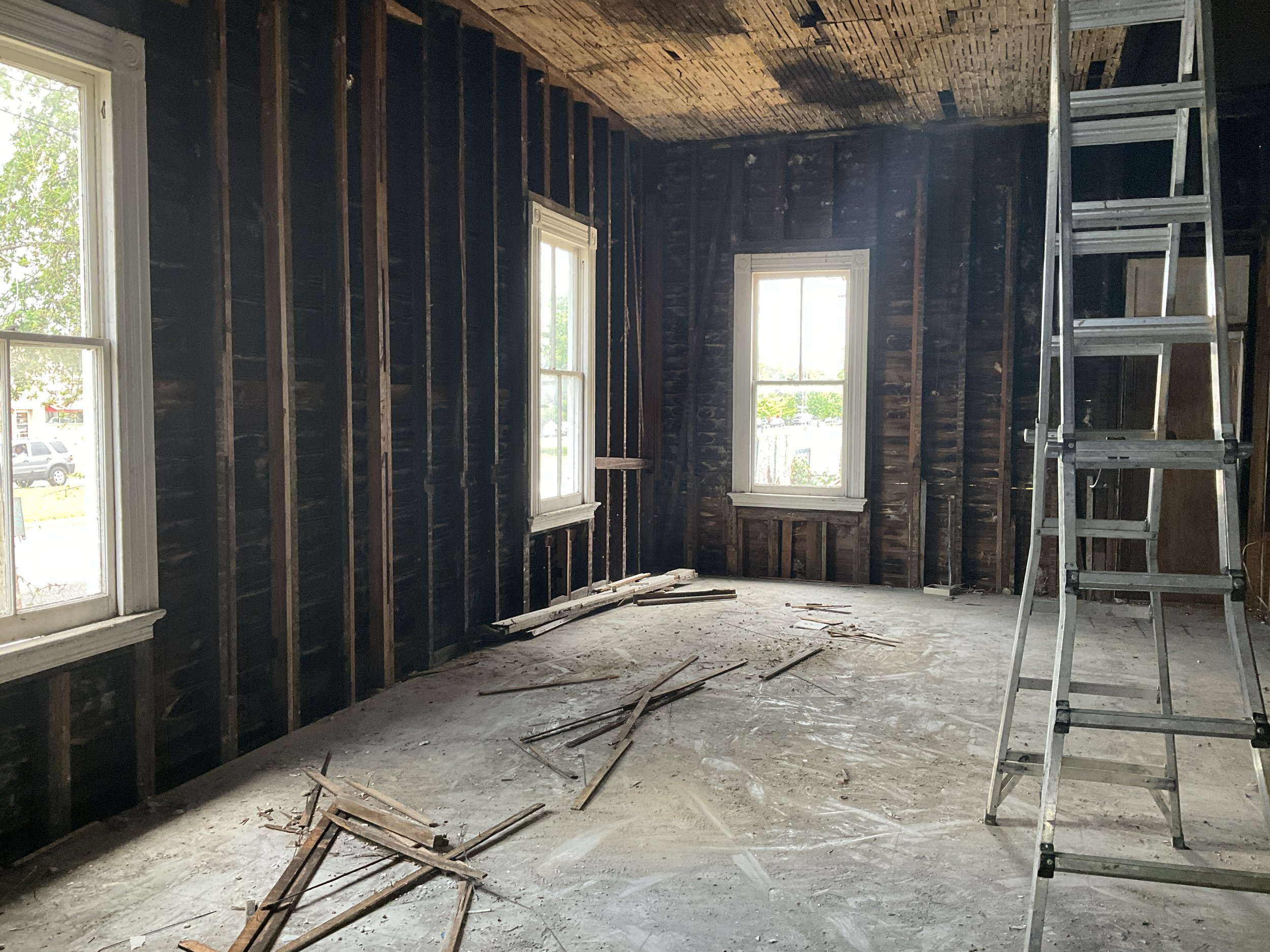
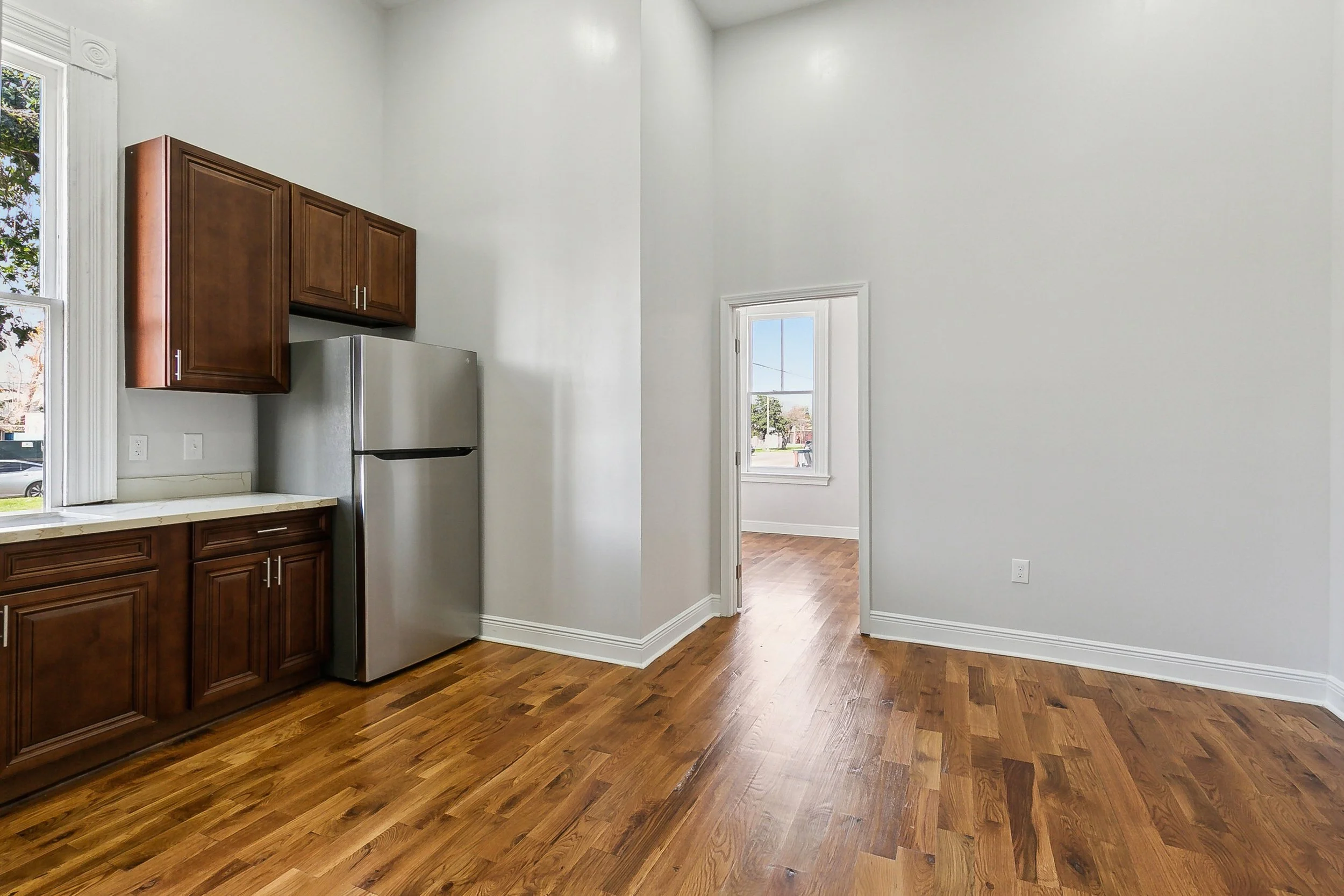
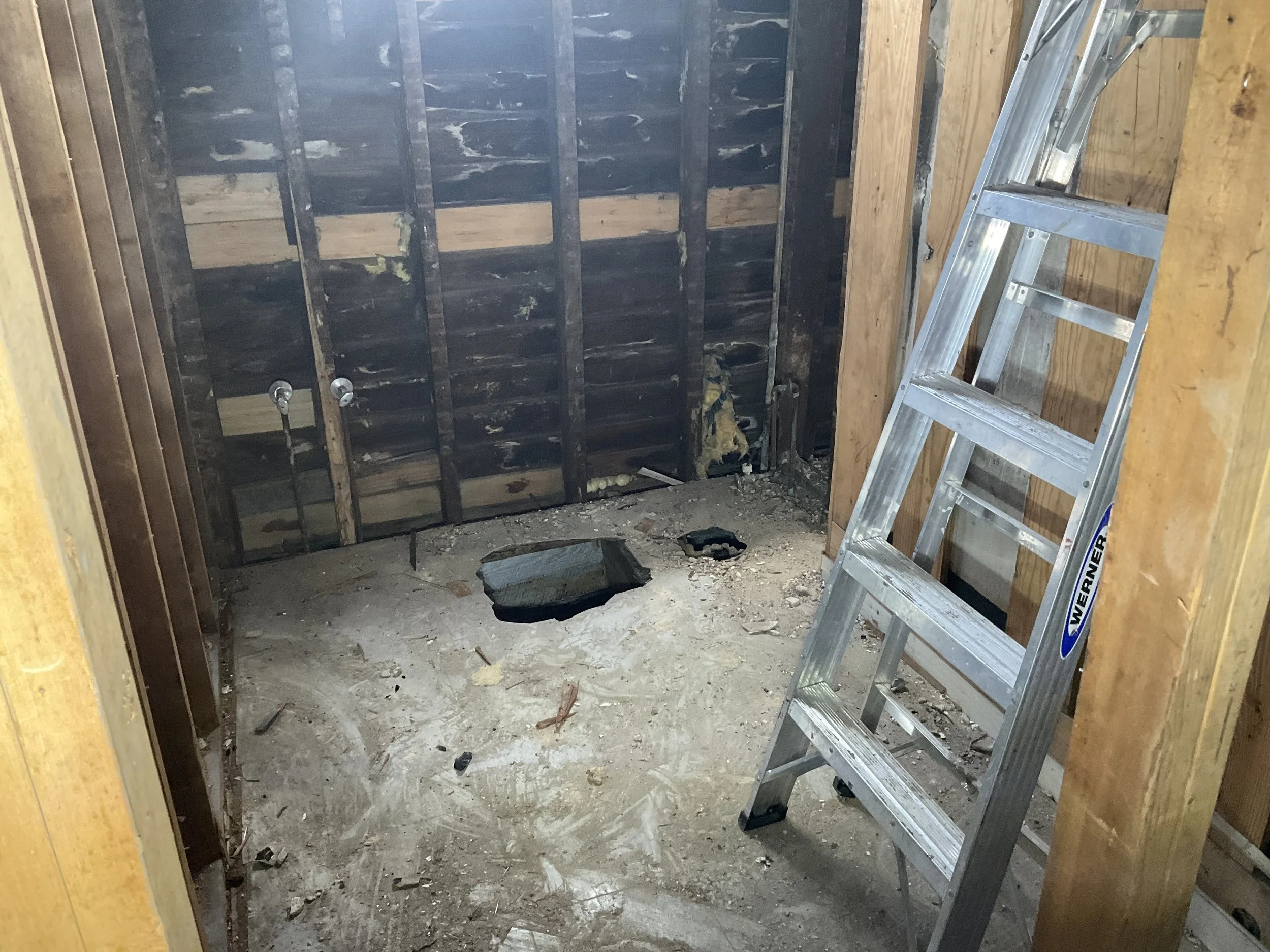
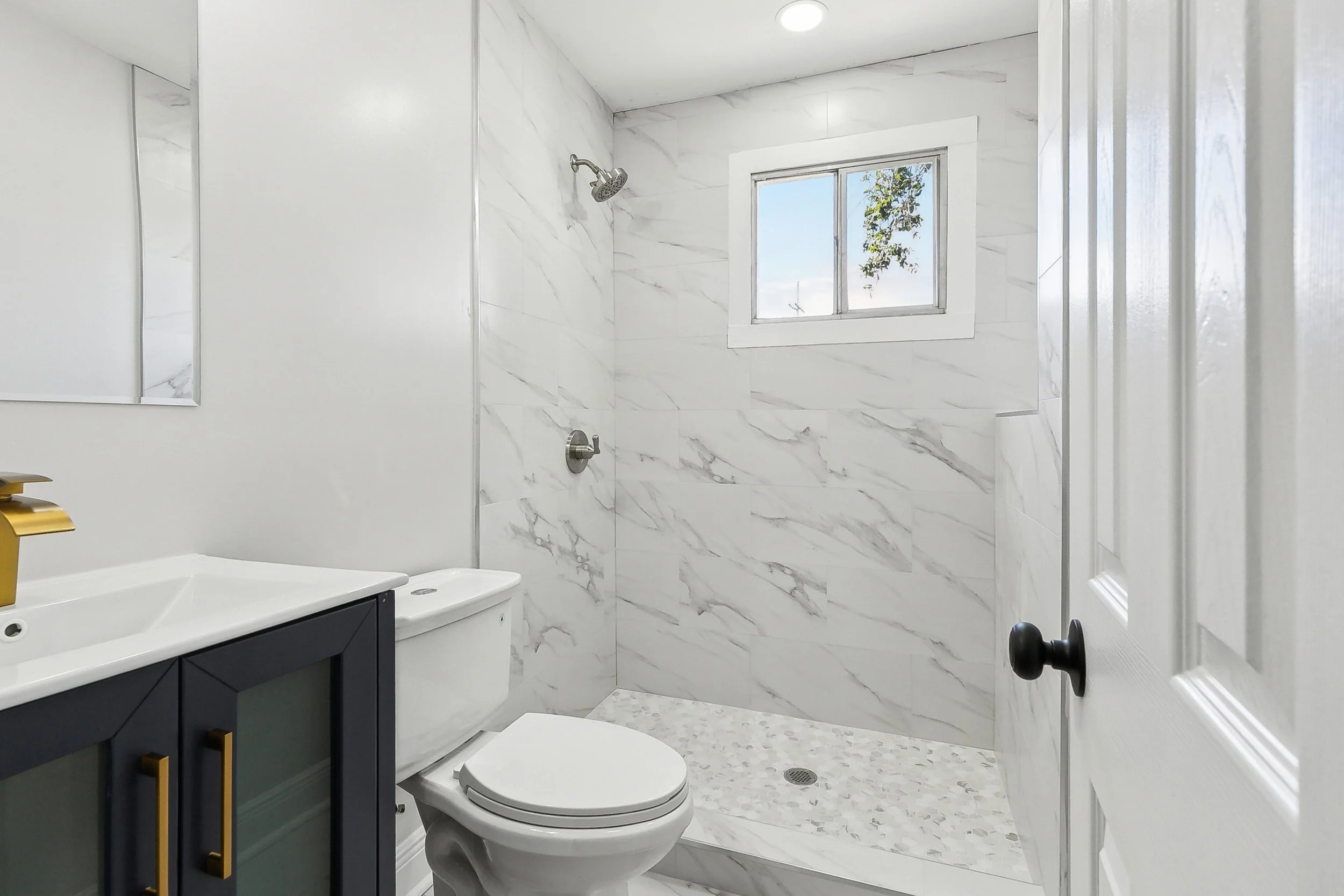
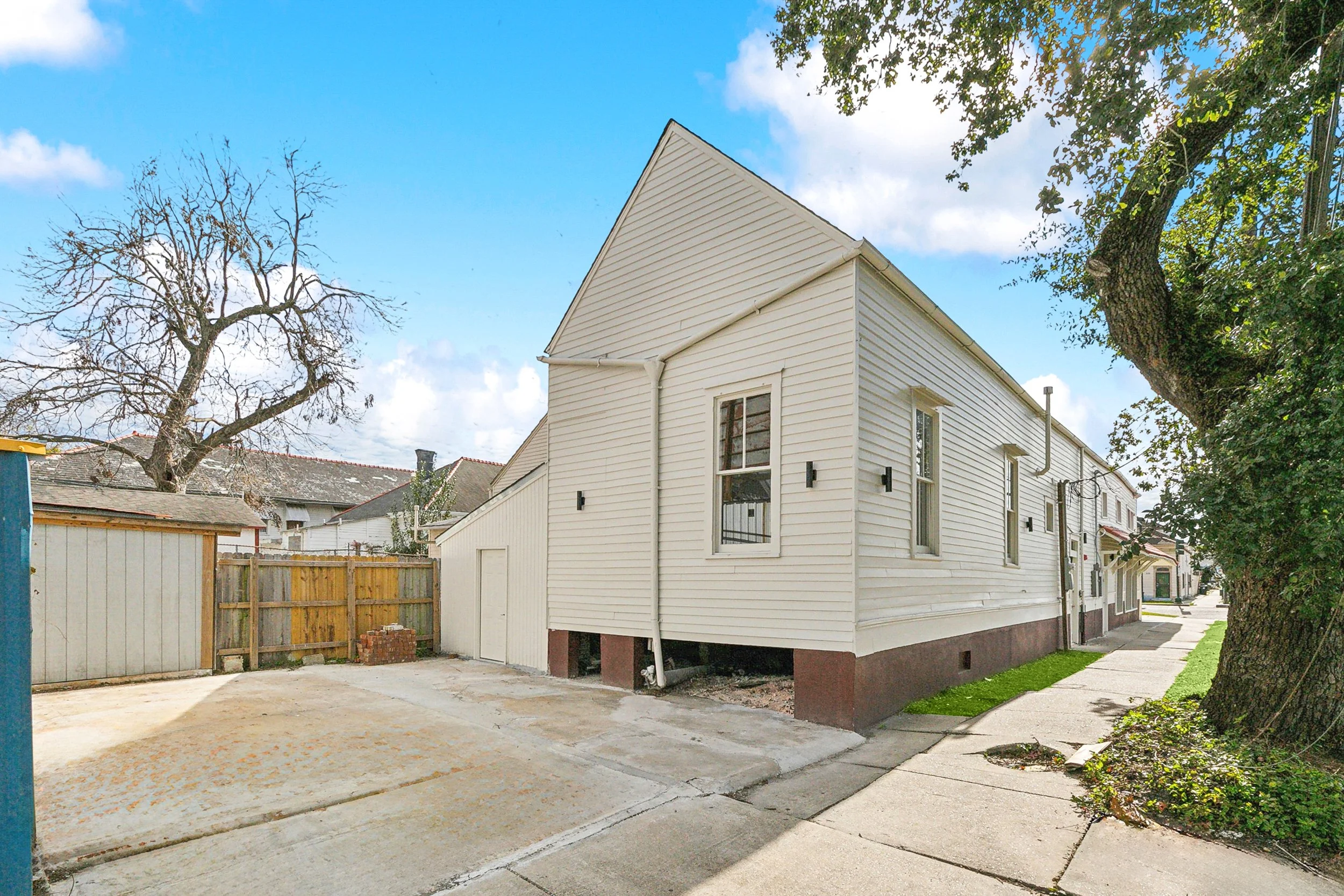
Qualified and Non-Qualified Historic Rehabilitation Expenditures
The first and most important thing to know is that Qualified Historic Rehabilitation projects must follow the Secretary of the Interior's Standards for Rehabilitation. Expenses that qualify for the historic rehabilitation tax credit include the following:
“Hard costs” of a historic rehabilitation tax credit project that are generally eligible:
Ceilings
Chimneys
Components of central air conditioning or heating systems
Electrical wiring and lighting fixtures
Elevators
Floors
Partitions
Plumbing and plumbing fixtures
Stairs
Sprinkler systems and fire escapes
Walls
Windows and doors
“Soft costs” of a historic rehabilitation tax credit project that are generally eligible:
Architect fees
Construction management costs
Construction period interest
Construction period real estate taxes
Developer fees
Engineering fees
Historic tax credit application fees
Costs of a historic rehabilitation tax credit project that are generally NOT eligible:
Acquisition costs including: building and land
Appliances
Blinds and window treatments
Cabinets (non-custom)
Carpeting (if tacked in place and not glued)
Decking, porches and porticos (not part of original building)
Demolition costs
Enlargements and new construction costs
Fencing
Feasibility studies
Financing fees
Furniture
Landscaping and planters
Leasing Expenses
Moving costs
Outdoor lighting remote from building
Parking lot
Paving
Retaining walls
Sidewalks
Signage
Sitework and storm sewer construction costs
It is essential to understand which costs associated with a historic rehabilitation project generally qualify for tax credits and which costs may not qualify for credits under the historic rehabilitation regulations to ensure a successful project. It is recommended to include your accountant in discussions before beginning a historic tax credit project, because the credits claimed will be applied to the overall adjusted basis of your building, which may affect capital gains if you sell the building.
We hope you find this information helpful. At MKS, we provide Historic Tax Credit Application Services and Architectural Design Services for Historic Rehabilitation Projects. Feel free to Contact Us for more information about our services.
For more information about Historic Rehabilitation Tax Incentives, here are some of our favorite resources:
Louisiana State Historic Preservation Office: https://www.crt.state.la.us/cultural-development/historic-preservation/tax-incentives/state-commercial-tax-credit/index
National Park Service: https://www.nps.gov/tps/tax-incentives/before-apply/qualified-expenses.htm
Internal Revenue Service (page 10): http://www.irs.gov/pub/irs-utl/faqrehab.pdf